
If you have any questions, you are always welcome to contact us. We'll get back to you as soon as possible, within 24 hours on weekdays.
-
Shipping Information
Use this text to answer questions in as much detail as possible for your customers.
-
Customer Support
Use this text to answer questions in as much detail as possible for your customers.
-
FAQ’s
Use this text to answer questions in as much detail as possible for your customers.
-
Contact Us
Use this text to answer questions in as much detail as possible for your customers.
無帰還 · No Feedback
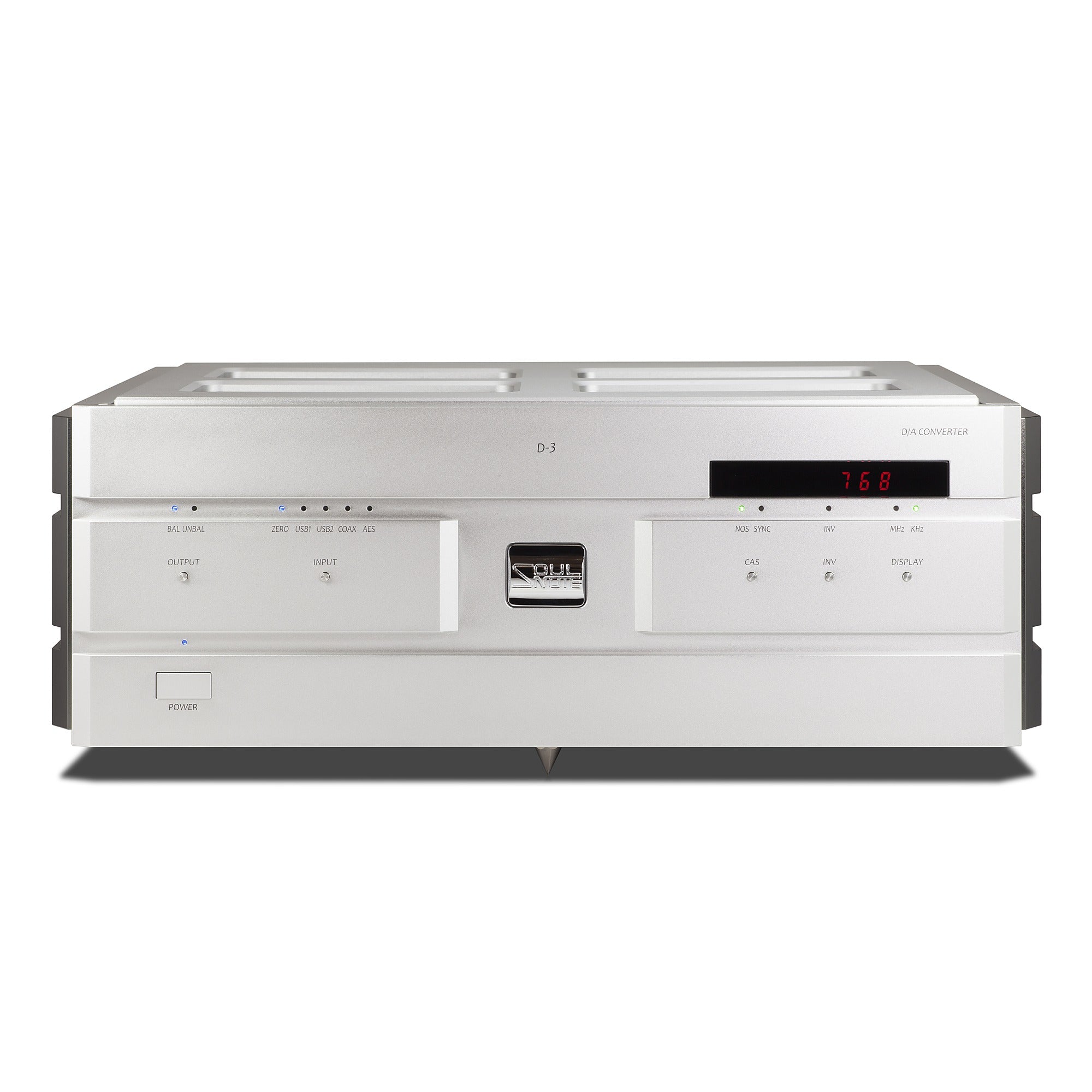
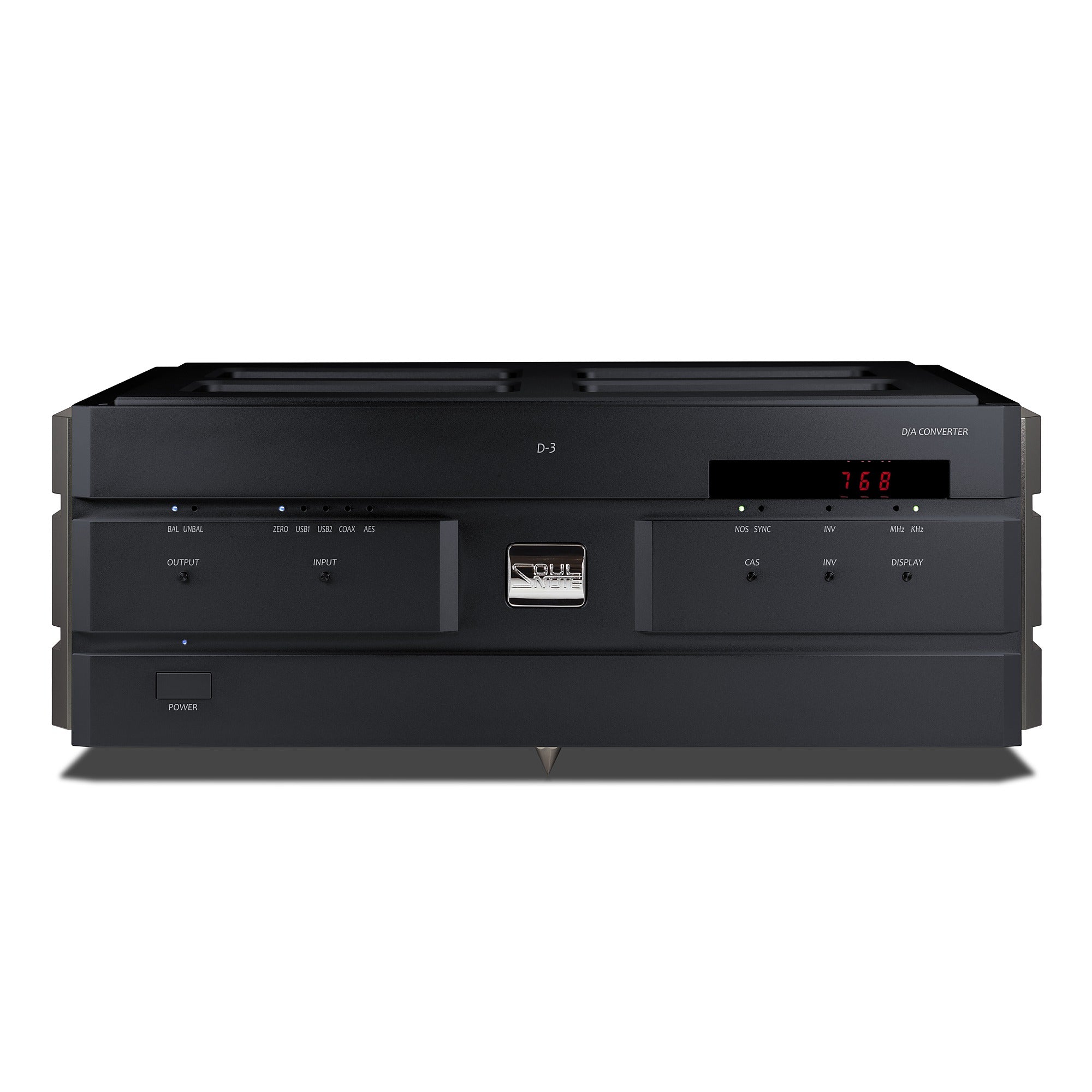
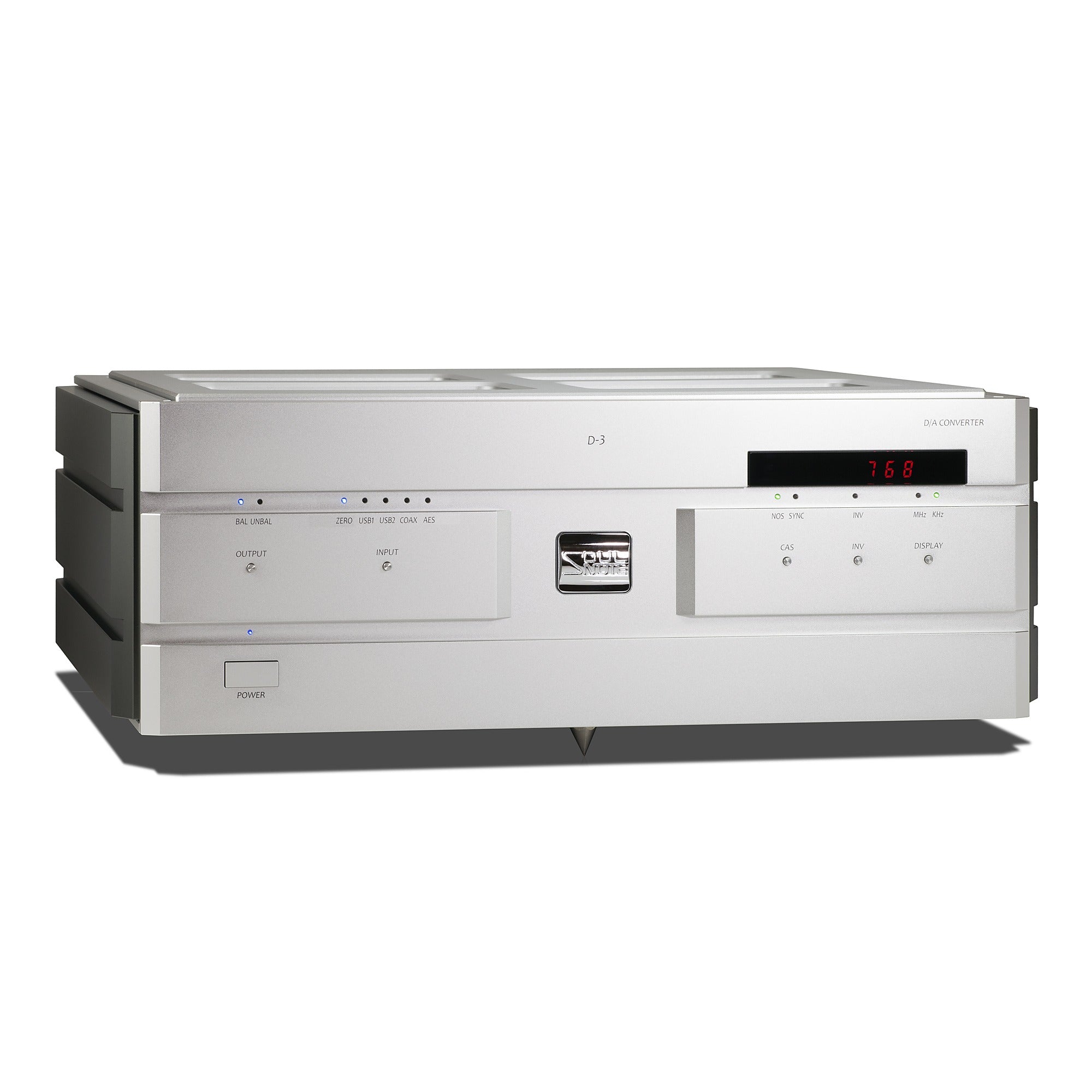
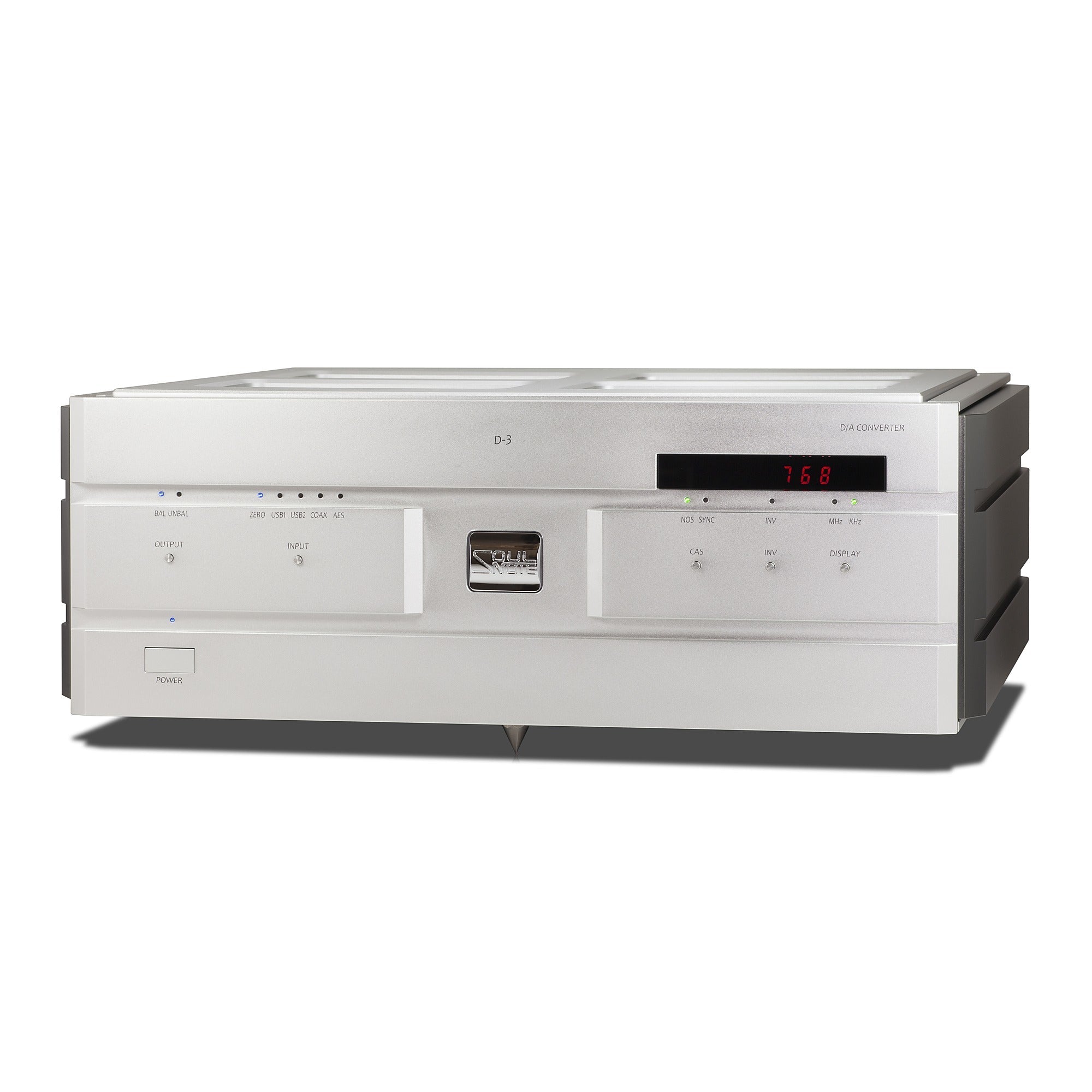
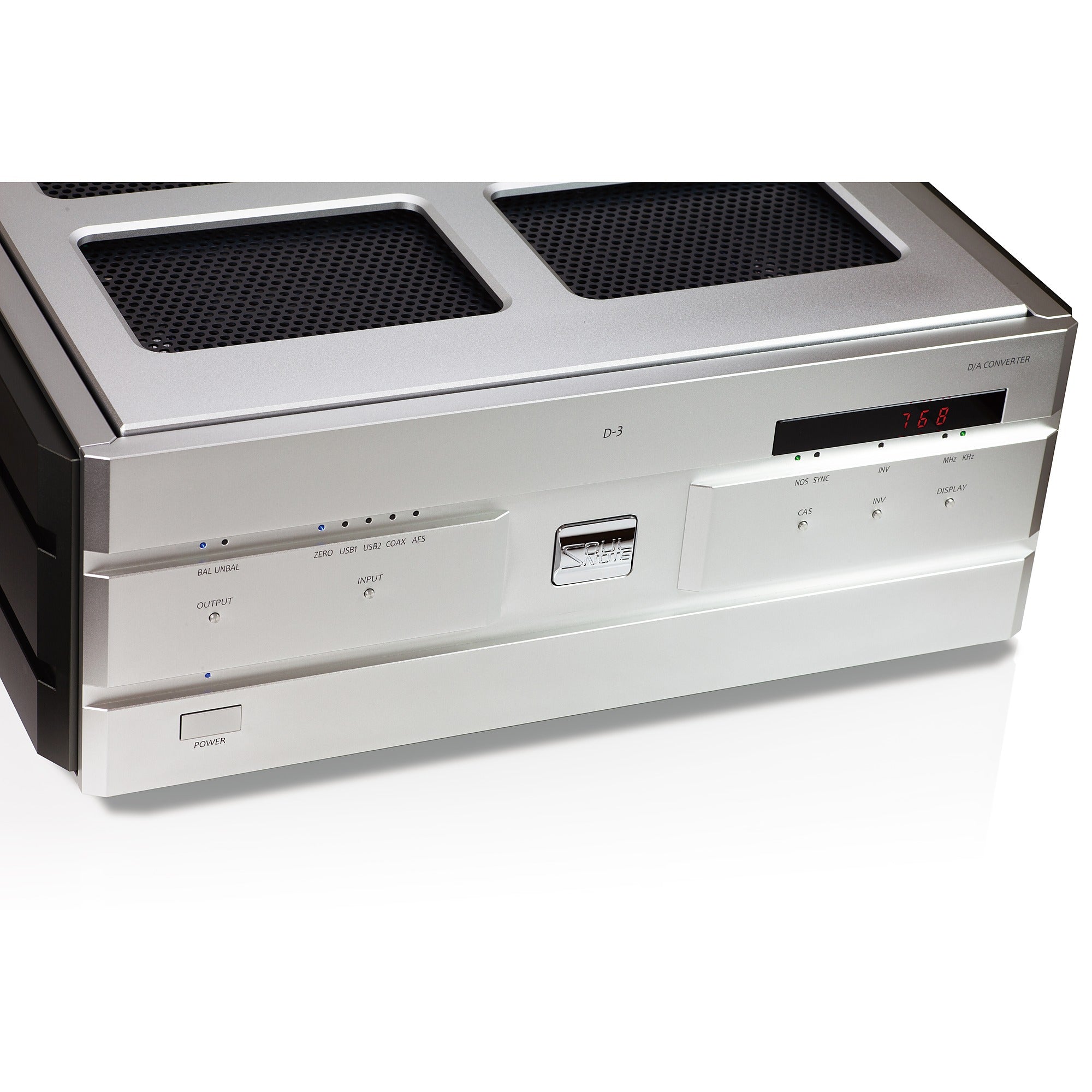
Soulnote D-3 Reference D/A Converter
Every sample, on time.
ZERO LINK sees to it.
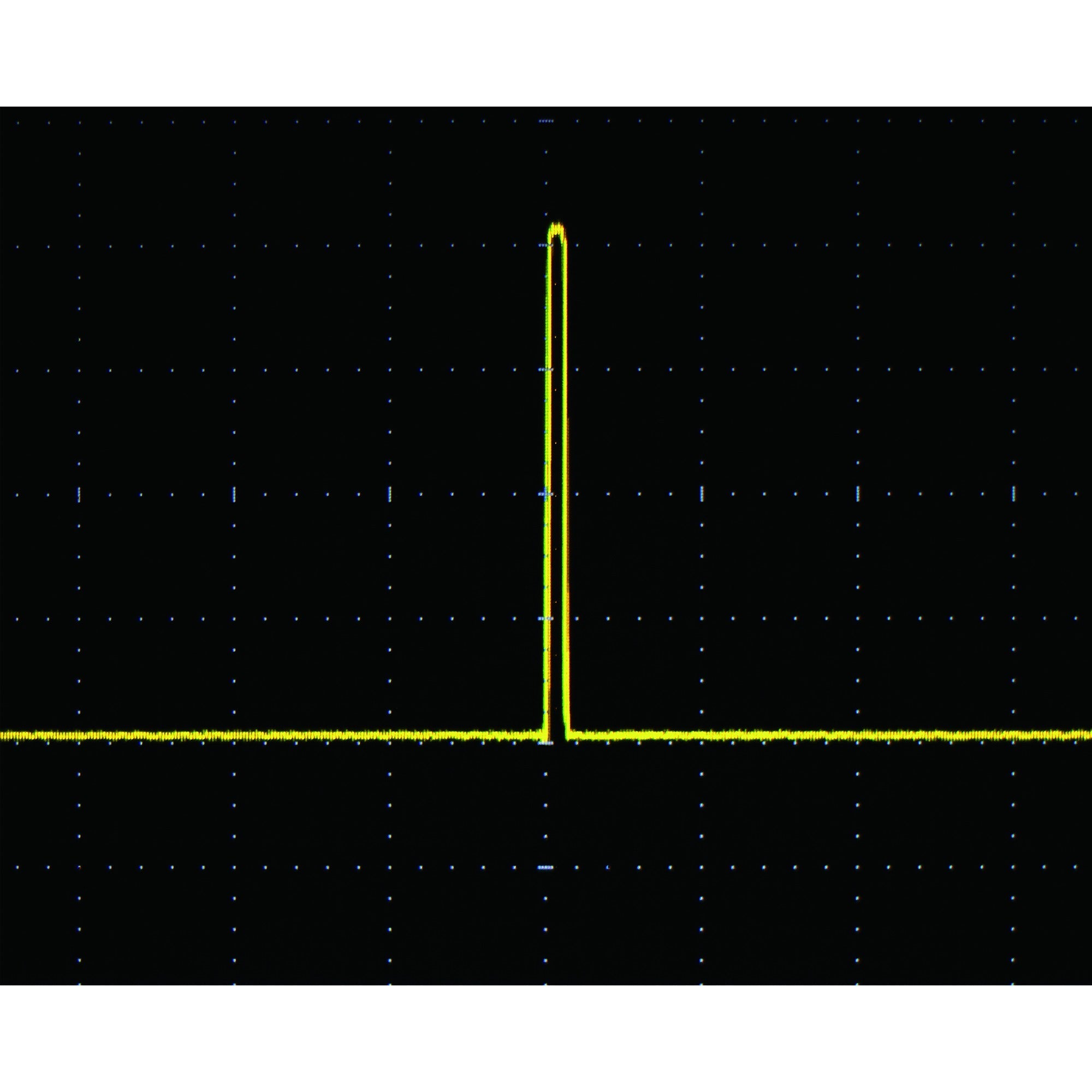
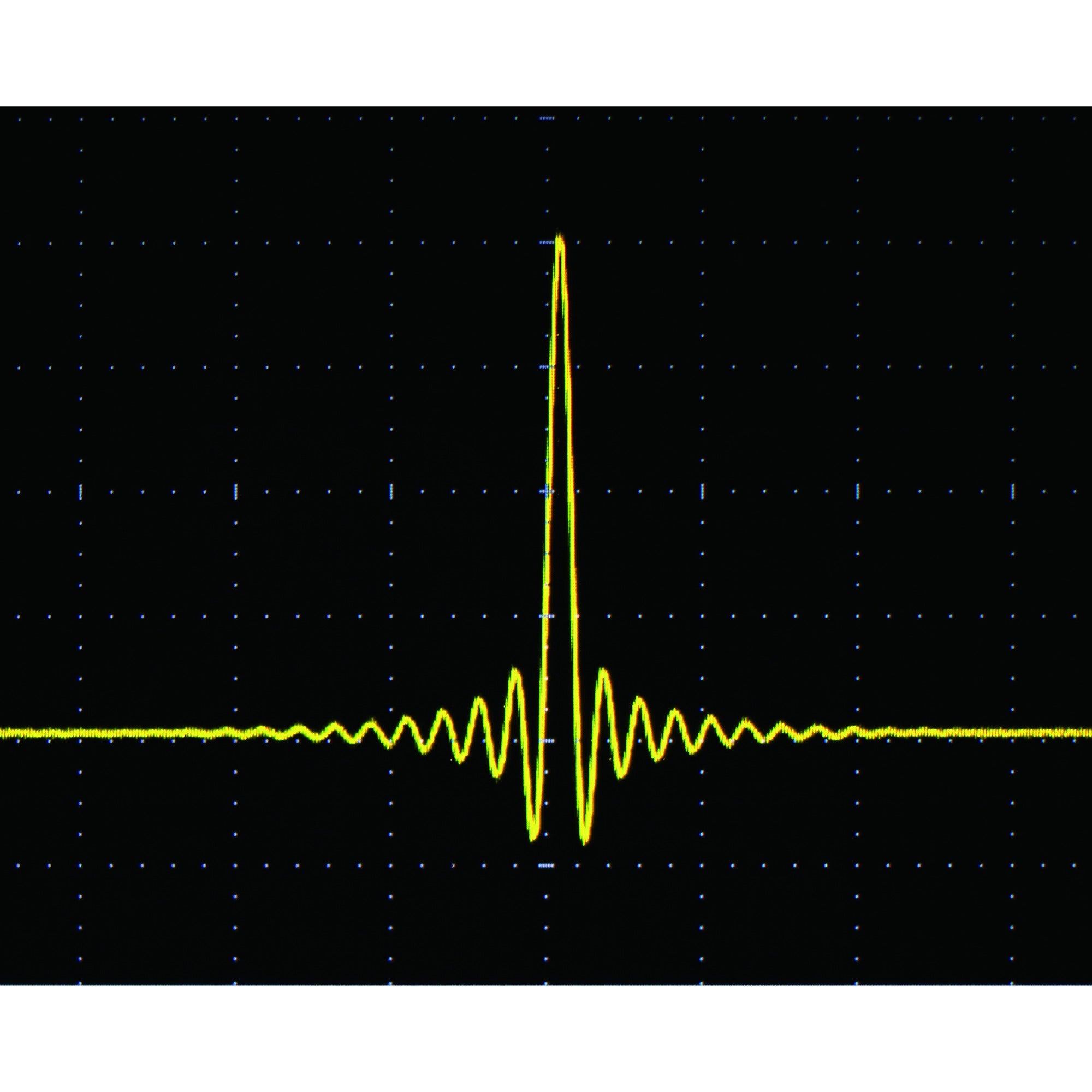
The Soulnote D-3 is the reference DAC rebuilt around timing: four flagship converters run dual-mono, a 45-femtosecond clock, and a NOS mode that plays the samples exactly as recorded — zero feedback anywhere.
Soulnote D-3 Reference D/A Converter
Pairs well with
Hand-built in Japan. Every part chosen by ear.
Soulnote D-3 Reference D/A Converter
無 Nothing in the way
Everyone adds.
Soulnote subtracts.
The best producers know the secret: the art is what you leave out. Soulnote engineers the same way — every stage a conventional design adds to the signal path is a chance to blur the original waveform, so Soulnote removes them, one by one, and tunes what remains by ear.
Between input and output: 4 extra stages, each with a fingerprint. Between input and output: almost nothing.
Every stage does a job — and leaves a fingerprint on the waveform as it passes through.
Fewer hands on the signal. What remains was chosen by listening — part by part.
Designed by subtraction
Less circuit.
More music.
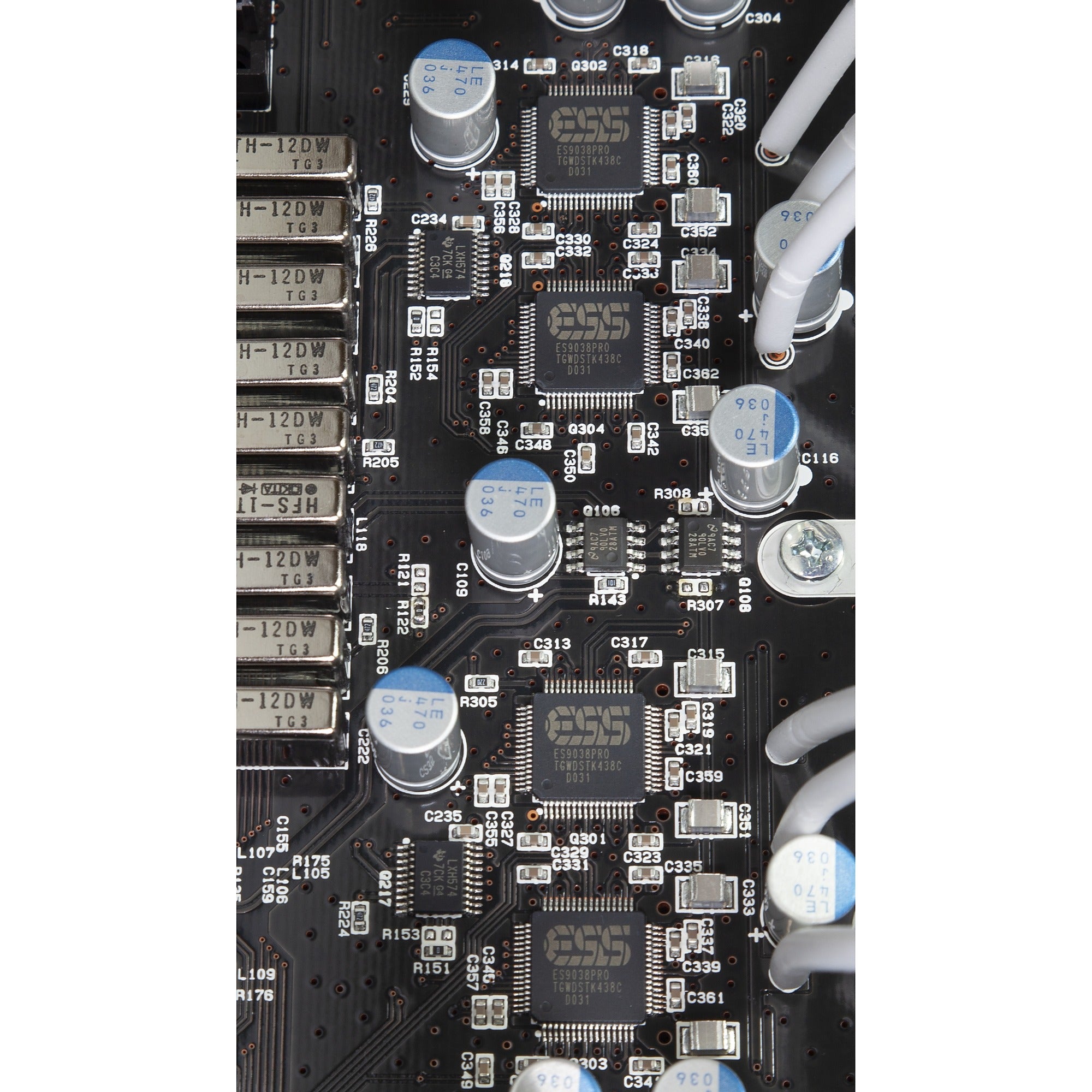
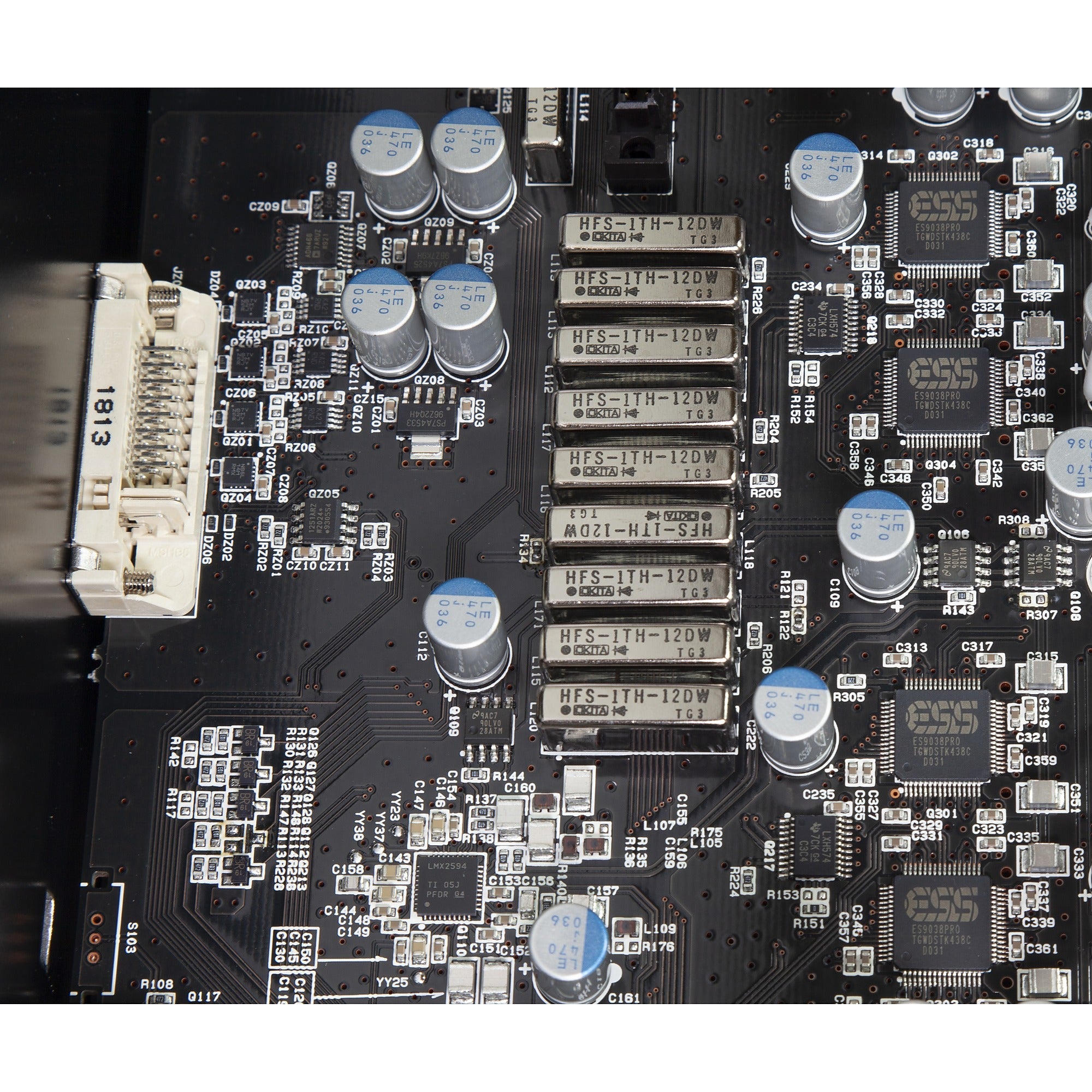
Flagship converters, two per channel — true dual-mono, with fully separate power supplies and analogue sections for left and right.
Clock jitter, from a DDS oscillator — steady enough to drop the digital PLL entirely and hold the time axis on its own.
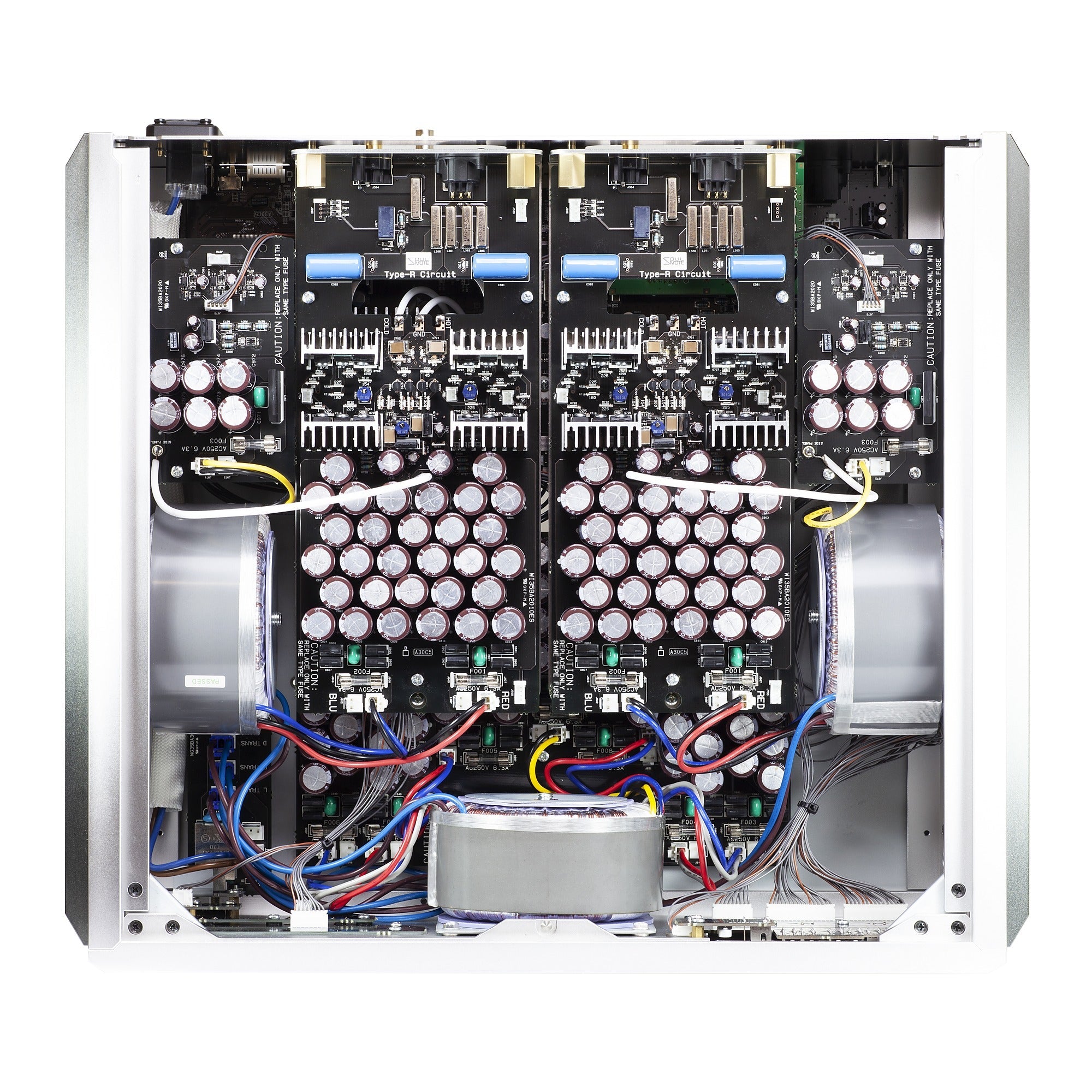
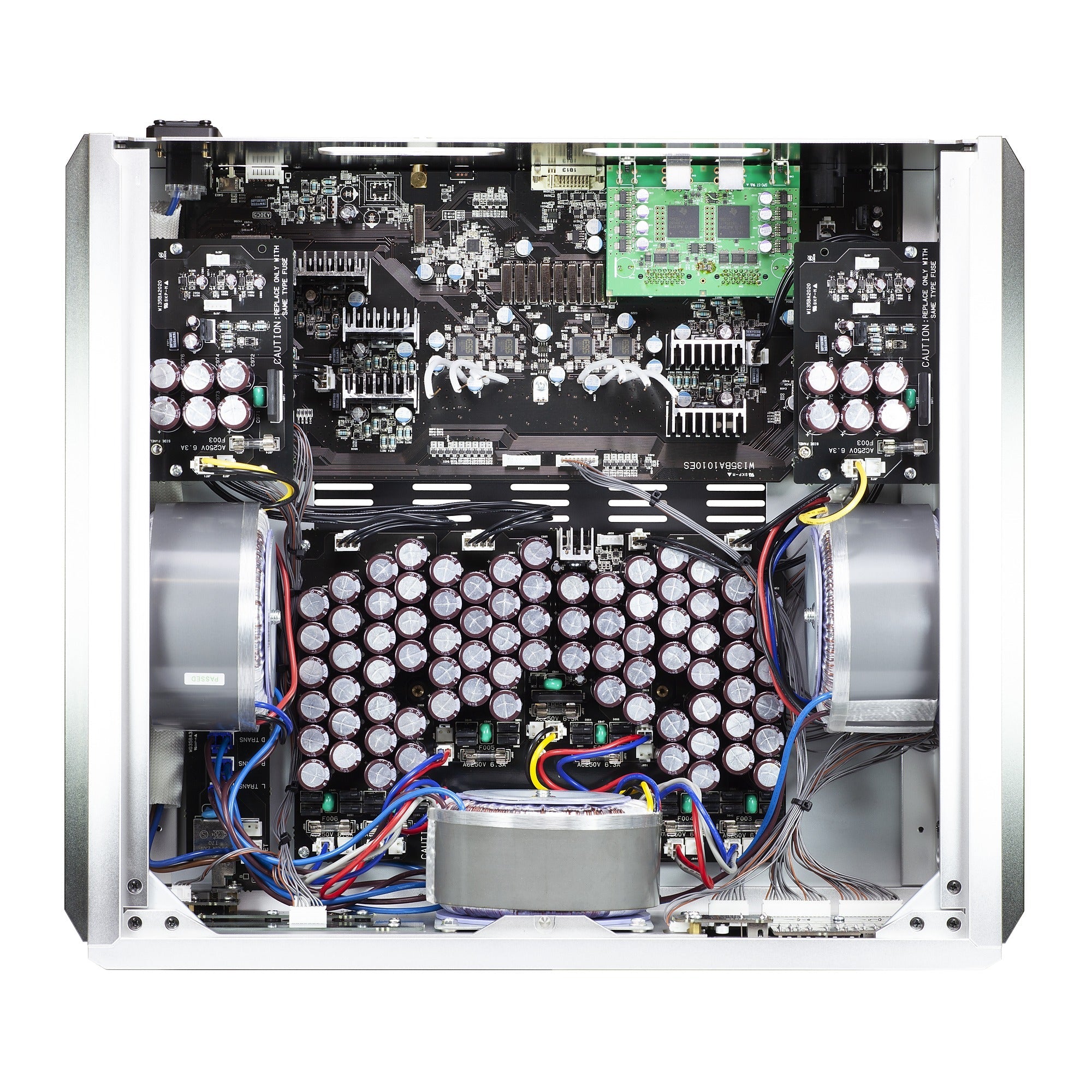
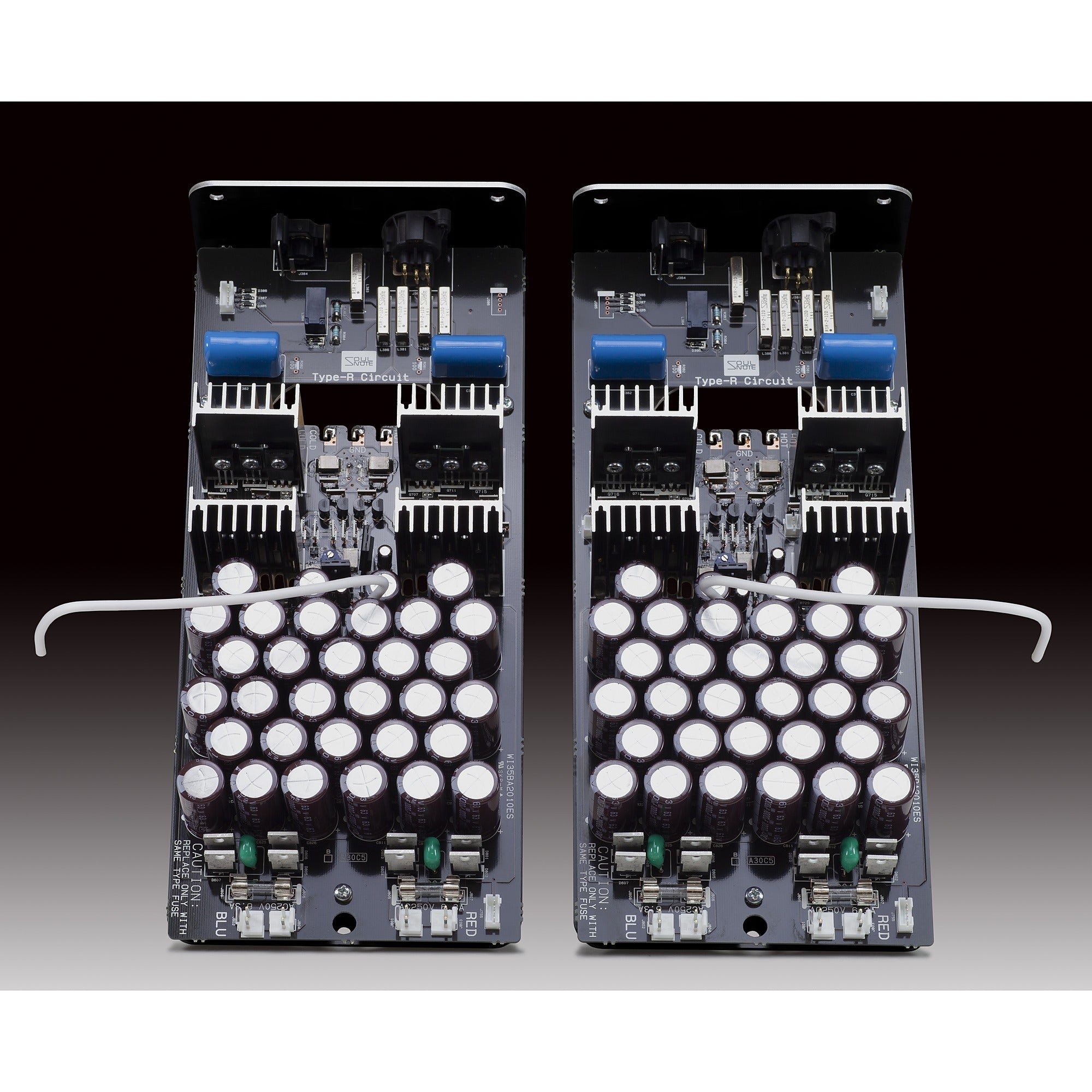
In a power supply built on three transformers and 52 SiC diodes. Reserves this deep never flinch.
Technical specifications
| Type | Reference D/A converter, dual-monaural, non-NFB |
| DAC | 4 × ES9038PRO (two per channel) |
| PCM support | To 768 kHz (ZERO LINK/USB) · 192 kHz (coax/AES-EBU) |
| DSD support | To 22.6 MHz (ZERO LINK/USB) |
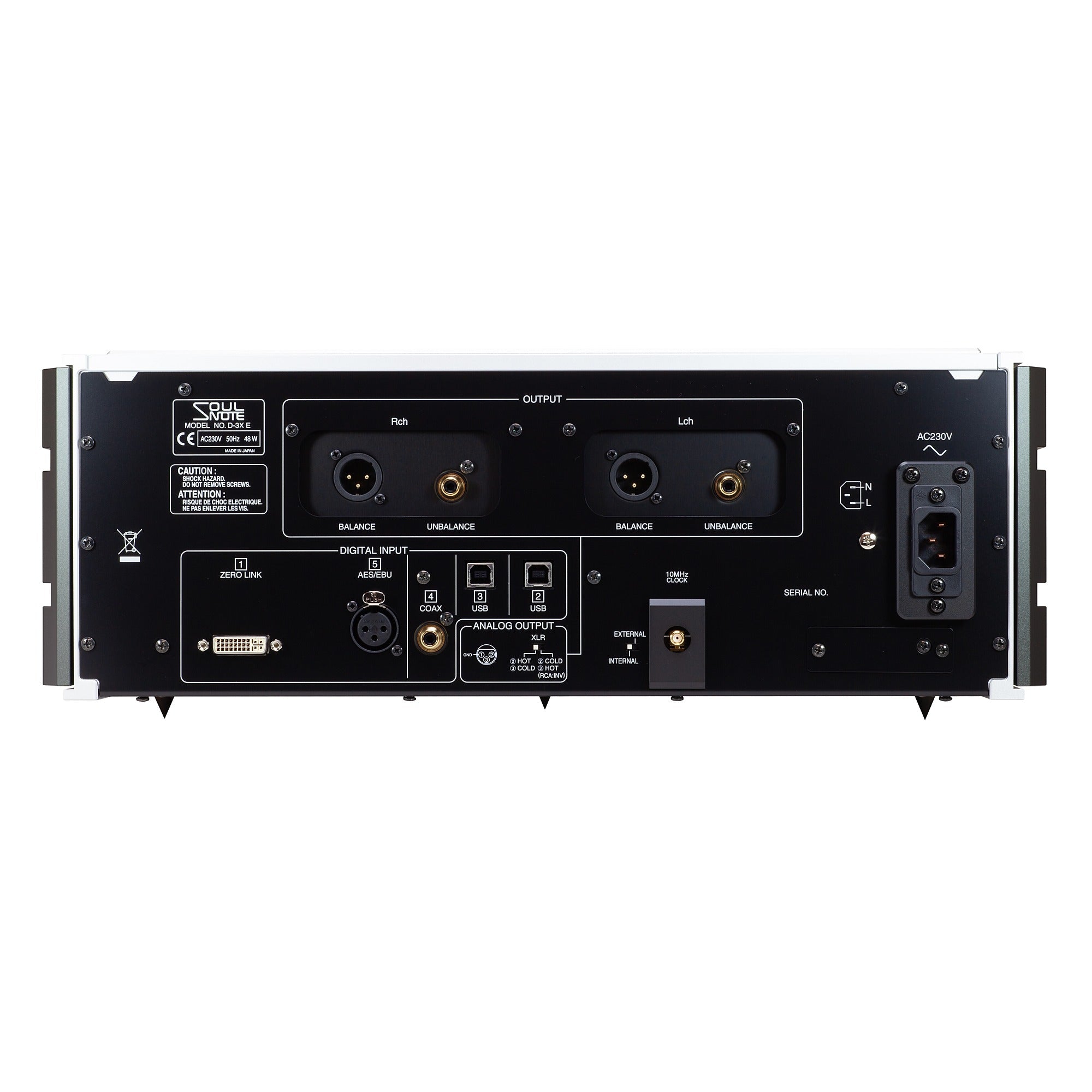
| Clock | Femtosecond DDS (~45 fs) · 10 MHz external input (SMA 50 Ω) |
| Digital inputs | ZERO LINK, 2 × USB-B, coaxial S/PDIF, AES/EBU |
| Analogue outputs | XLR 5.6 Vrms · RCA 2.8 Vrms |
| Modes | NOS (non-oversampling) · Non-DPLL |
| Signal-to-noise | 110 dB |
| THD | 0.008 % (NOS, 176.4 kHz) |
| Dimensions (W × H × D) | 454 × 174 × 407 mm |
| Weight | 28 kg |
| Finishes / Made in | Premium Silver · Premium Black — hand-built in Japan |
What is ZERO LINK?
What are NOS and Non-DPLL?
How is it powered?
About the Soulnote D-3 Reference D/A Converter
Availability: Ships in 10–15 business days.
Digital, Rebuilt Around Time: Soulnote D-3
The Soulnote D-3 is the company's reference D/A converter — a genuinely radical take on digital that throws the industry rulebook out and rebuilds around one idea: protect the timing of the music. Completely non-NFB, fully dual-monaural, and armed with a femtosecond-class clock and Soulnote's ZERO LINK interface, it's built by ex-Marantz engineer Norinaga Nakazawa's team to make digital sound as vivid and alive as the best analogue.
Four Flagship DACs, Zero Feedback
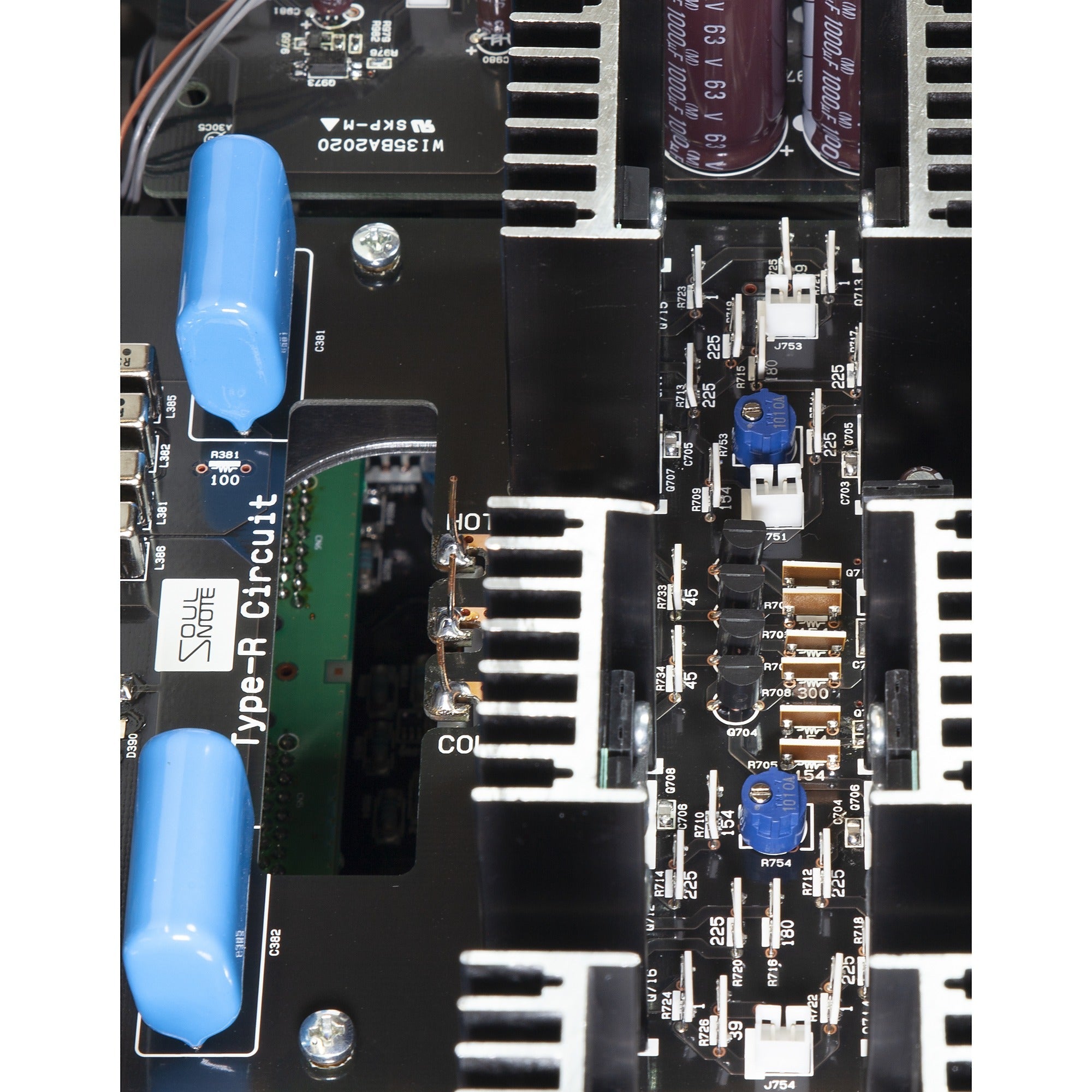
Inside sit four ES9038PRO converter circuits — two per channel — running as a true dual-monaural design, with completely separate analogue sections, transformers and power supplies for left and right. The output stage is a discrete, non-NFB balanced amplifier using Type-R circuits with ultra-high-quality naked foil resistors. There's no global feedback anywhere in the signal path, which is exactly how Soulnote likes it.
ZERO LINK and Femtosecond Timing
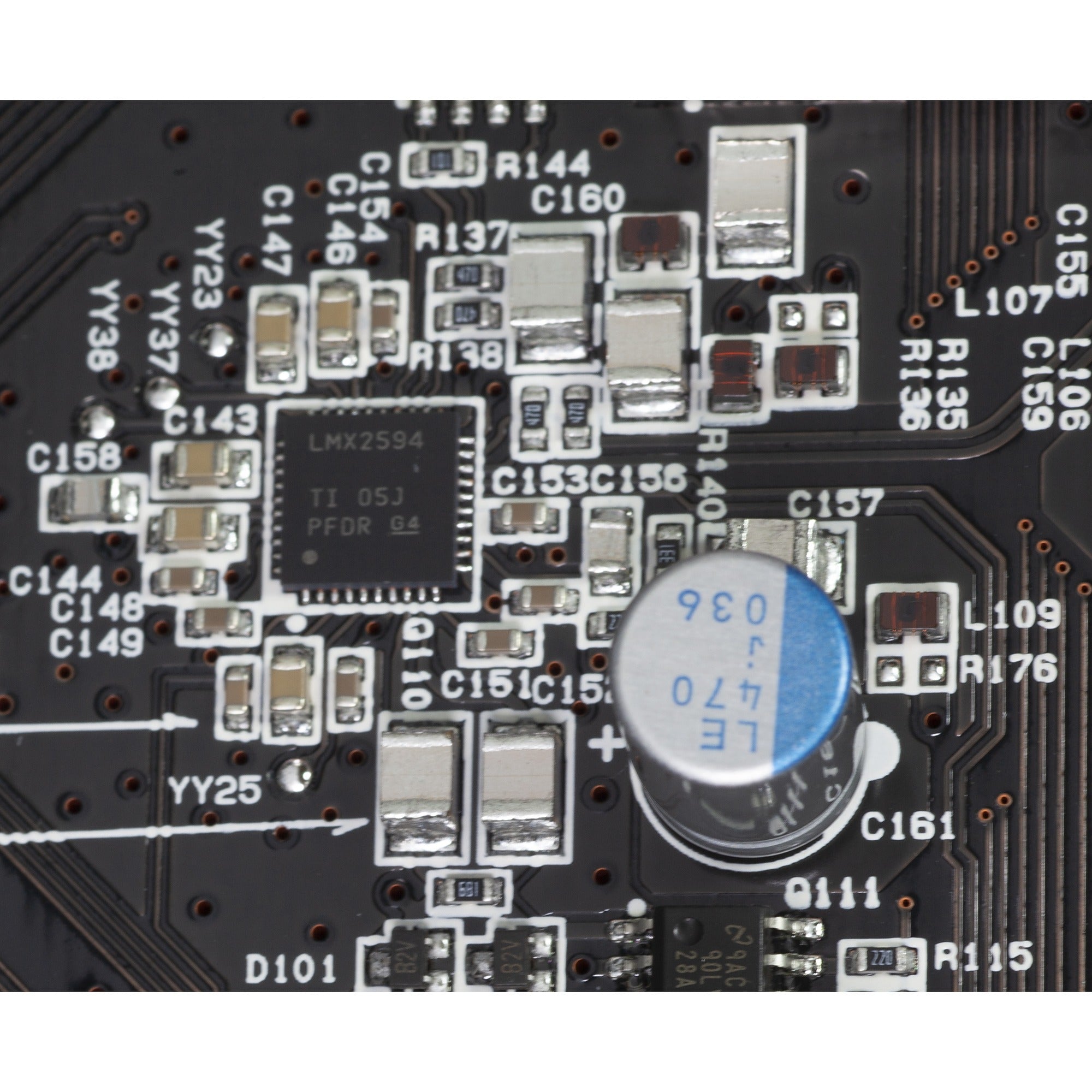
The D-3's ZERO LINK interface synchronises a network transport directly to the DAC's own clock, eliminating the asynchronous circuits that smear digital timing. A femtosecond-order DDS clock (LMX2594, ~45 fs jitter) enables Non-DPLL operation, and a NOS (non-oversampling) mode removes any ambiguity from the time axis. A colossal power supply — three transformers, 152 electrolytic capacitors and 52 SiC diodes — sits behind it all. Support runs to PCM 768 kHz and DSD 22.6 MHz via ZERO LINK/USB, with a 10 MHz external clock input for the ultimate setup.
Why You'll Love the Soulnote D-3
- Quad ES9038PRO, dual-mono — two DACs per channel, fully separated L/R
- Completely non-NFB output — discrete Type-R balanced amplifier, naked foil resistors
- ZERO LINK — clock-synchronous transport link that eliminates asynchronous circuits
- Femtosecond clock — ~45 fs DDS for Non-DPLL, plus NOS mode
- Hi-res everything — PCM to 768 kHz, DSD to 22.6 MHz; 10 MHz clock input
- Reference power supply — three transformers, 152 capacitors, 52 SiC diodes
- Hand-built in Japan — Premium Silver or Premium Black, 28 kg
Frequently Asked Questions
What is ZERO LINK?
ZERO LINK is Soulnote's digital interface that lets a compatible network transport (such as the Z-3) lock to the D-3's own master clock, removing the asynchronous conversion stages that add jitter — for dramatically cleaner timing.
What inputs does the D-3 have?
ZERO LINK, two USB Type-B, S/PDIF coaxial and AES/EBU, plus a 10 MHz external clock input. Analogue outputs are balanced XLR (5.6 Vrms) and RCA (2.8 Vrms).
Can the D-3 drive a power amplifier directly?
The D-3 is a reference DAC; pair it with a preamplifier or a power amplifier such as the Soulnote A-3 Core or M-3 monoblocks. Ask us about the ideal configuration for your system.