
Listening Room Confidential, No. 3 — an occasional series.
My wife put on Hejira last Thursday, which is not a record I would have chosen, and that's the whole story, so I may as well tell it.
I'd come home late with a head full of the day — a pallet stuck in Mississauga, a broker who wanted a form I'm fairly sure was retired with the two-dollar bill — and I did what I always do, which is walk to the shelf and start pulling sleeves out an inch. She was already on the couch with a book. She didn't look up. She said, "Leave it. I've got one." Got up, took down the Joni, put it on herself. Side one. Back to the book.
I've owned that record for forty-some years. I've heard the bass on "Coyote" through more loudspeakers than I could name under oath. But I had never once sat in my own living room while somebody else chose the record and dropped the needle, and it was like being handed a drink in my own kitchen. Slightly disorienting. Extremely pleasant. I took the second-best chair, because she had the good one, and by the time the side ran out I'd forgotten about the pallet. Mostly.
Here's the part that matters. I didn't say a word. Not "listen to the bass," not "this is the Rhino pressing," not "wait till the end of this one." And she listened harder than any journalist I've stood next to at a show. She put the book down halfway through "Amelia" and didn't pick it up again. Nobody asked her to.
Forty years in this trade and I'd been doing it wrong the whole time. Not the equipment. The listening.
Why now
Because the Toronto Audiofest opens on the sixteenth of October, and a few thousand people are about to walk into a hotel and listen the way the hobby has trained them to: standing, arms folded, with the face of a man listening for the rattle rather than the music. I've done it myself, every year, in Vienna and in Chicago (back when Chicago was still on the itinerary), and I'll do it again in Toronto unless somebody stops me. It's a professional deformity. You get very good at hearing what's wrong with a system and slowly lose the ability to hear what's right with a record.
So, while there's still time to be cured: a few notes on how to listen, from a man recently out-listened by someone reading a paperback.
The first thirty seconds
Don't announce the record. Don't explain it. The single most damaging sentence in domestic hi-fi is wait for this bit, because now the other person isn't listening to music, they're waiting for a bit, and when it arrives they'll nod politely and you'll both feel faintly cheated, like a magic trick you saw coming.
Put it on and shut up. If it's good, they'll turn around. If they don't, that's information too, and it's not about them.
Volume is a negotiation
When the person on the couch reaches for the dial, they are not telling you the system is too loud. They're telling you the room is too loud for whatever else is happening in it — a conversation, a book, a thought — and they'd like the music alongside it rather than instead of it. That's not a complaint. That's someone voting to keep the music on. Take the win. You will not get a better one this year.
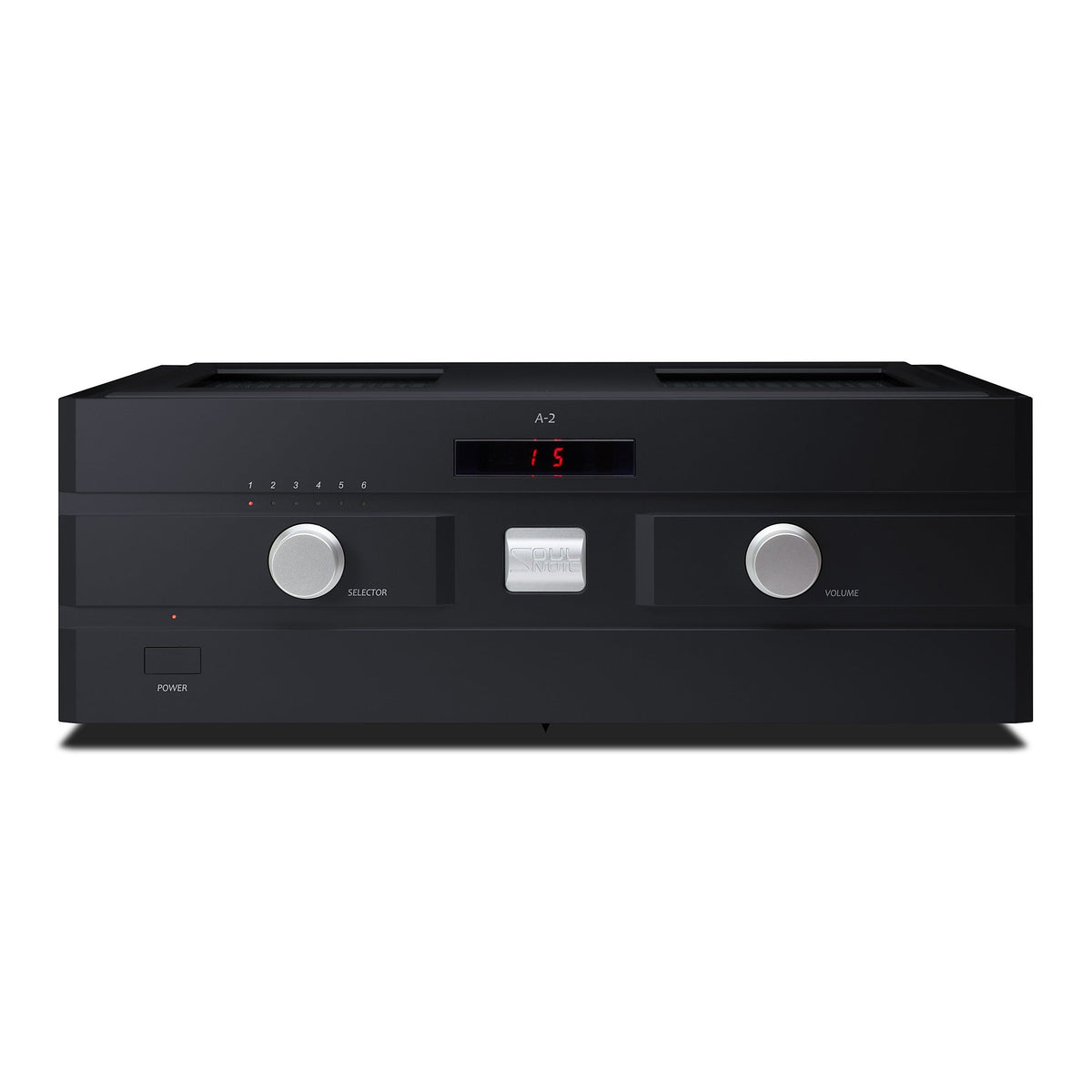
The men with folded arms will tell you a system only comes alive at a certain level. They're half right. But a system that only sounds good loud was built for a room with nobody else in it, and I've come around to thinking that's a design flaw. The amplifier in my living room this month is a Japanese thing built by a room full of engineers who decided negative feedback was a moral failing, and the reason I keep it isn't what it does with the dial at one o'clock. It's that at nine, with somebody reading beside me, it still sounds like a band and not like a tap left running. That's a rarer trick than the brochure will ever admit.
Side A is a commitment
Twenty minutes, then somebody gets up. The streaming people call this a limitation. I've started to think it's the best thing about the format: a built-in intermission, where you ask if she wants tea, or she tells you something about the book, or you argue, gently, about whether to flip it. Streaming never stops. It just keeps going, like a dinner guest who doesn't know the evening's over, and somewhere around hour two you realize you haven't heard a note since the second song and it's playing something you'd never admit to liking.
Play a side. Get up. It's older than any of us and it works.
"Is this the good one?"
Every partner asks this eventually, and the wrong answer is a lecture. The right answer is "it's the one I love," and then stop talking, because that's the only honest thing any of us can say about anything in this hobby and it takes four words. I know men who could not manage it in four hundred.
If you get a follow-up — why? — you've been given a gift. Answer with a record, not a specification. Nobody in the history of the world has fallen for a stereo because of its damping factor, and if they have, I'd like their number, because I have some cable to sell them.
Don't demo
Here's the sin I'm guiltiest of. The moment you put on a record to show what the system can do, you've stopped listening to music and started listening to plumbing. The other person can always tell. It's the audio equivalent of reading your own poetry at a dinner party.
The test is simple: play the record you'd put on if the system were mediocre. The whole point of a good system is that it disappears. Demoing it drags it back into the room, sits it on the coffee table, and asks everyone to admire its finish.
The second-best seat
There's a sweet spot, the magazines will tell you, and it's exactly one chair wide, and it's yours. Everybody else is off-axis, which is a polite way of saying they're getting the leftovers.
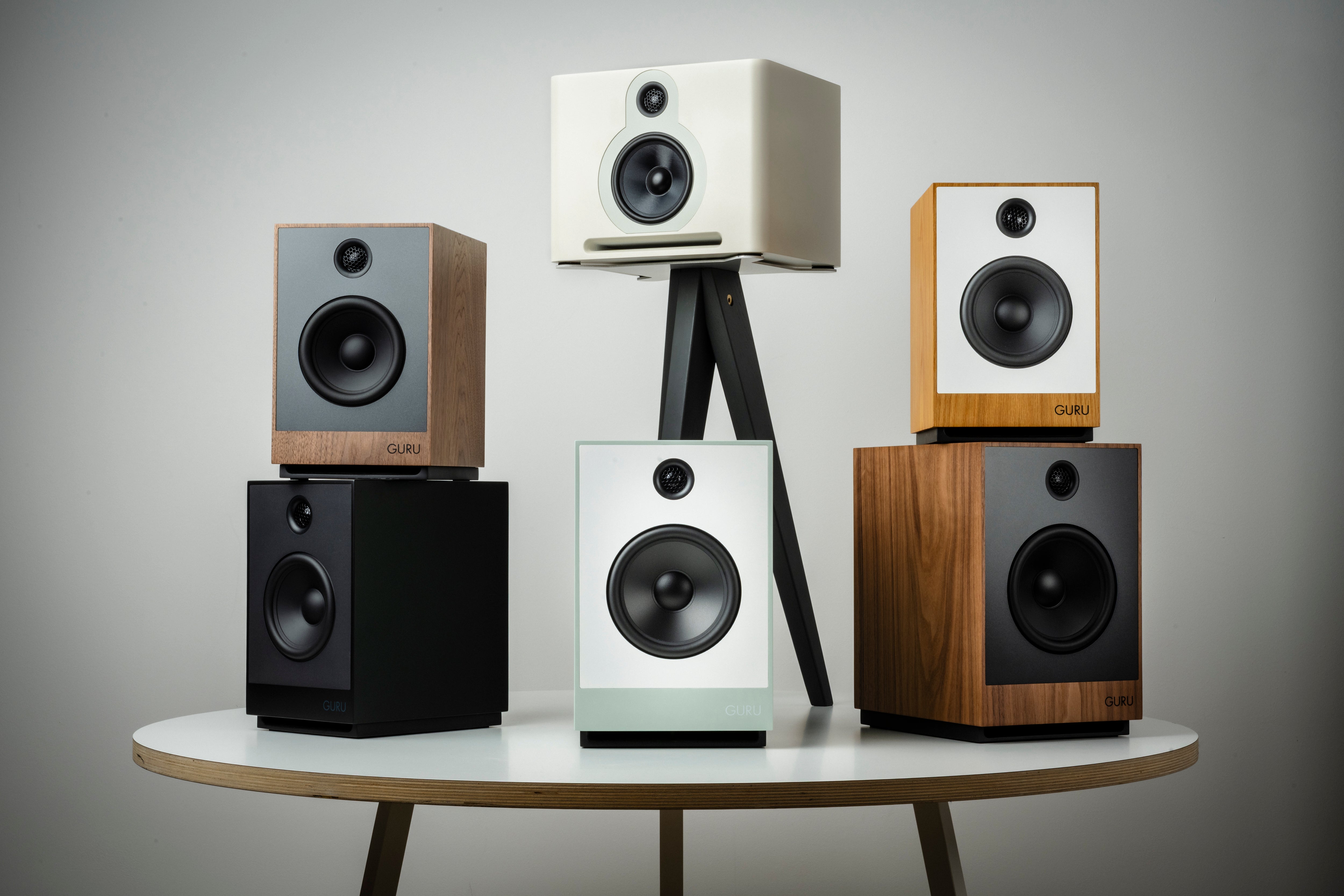
Two ways out. One is to own speakers designed for a real room — against a wall, off-centre, with people sitting where people actually sit. There's a small Swedish standmount in my place at the moment that does exactly that; it was built on the assumption that nobody would ever position it properly, I never have, and it has never once sulked about it. The other way costs nothing: give up the good chair. Sit in the second-best seat on purpose. A great record in the wrong chair beats a mediocre one in the right chair every time, and the person in the good chair listens better when they didn't have to ask for it.
Listening alone, since you asked
My rules, so take them as such. Lights low but not off — off is a cinema, not a living room, and nobody wants to explain to a visitor why they were sitting in the dark with a glass of something. The phone in another room, actually in another room, not face-down on the arm of the chair humming at you like a wasp in a jar. One record chosen before sitting down, so you're not up and down at the shelf like a man who can't decide what to order. Both sides. No skipping. If the record's wrong, it's wrong for forty minutes and you'll learn something about it, or about yourself.
How to listen at the show
Which brings us to the ballroom, or the hotel room. Which one depends entirely on the exhibitor's budget: the big brands get the chandeliers, and the rest of us get a double-queen on the third floor with the bed pushed against the wall and a "do not disturb" sign doing the work of a sound engineer. Some of the best sound at any show comes out of the small rooms. Don't let the square footage do your listening for you.
Sit down. A standing person is a leaving person; your feet have already started negotiating the exit on your behalf. Take the chair, even the bad chair, especially the bad chair. You'll hear more in two minutes seated than in ten leaning on the doorframe with your coat on.
Leave your demo disc at home. I know. You've got the one with the bell tree and the upright bass and the man breathing audibly between verses, and you've been waiting all year to hand it to someone. Every room in the building has been tuned to flatter that record, so it'll tell you nothing. The rooms worth your time have already chosen the music, and chosen it to sound like something you'd play on a Tuesday, not something you'd play to frighten a subwoofer. Trust the choice.
And yes, somebody will play Diana Krall. Somebody always plays Diana Krall. She's from Nanaimo, she's Canadian, this is Canada, and we'll bloody well play her if we want to.
A confession, though: we haven't been. For years we've quietly kept her off the show playlist because the records are too well made. Playing one at a show felt like cheating — like bringing a ringer to a beer-league game. The room sounds gorgeous and you've learned nothing about the room. So we reached for something with a bit of tape hiss and a drummer who'd had a late night, on the theory that honest gear needs honest music. Which is fine as far as it goes. But we let a Canadian with one of the finest catalogues of recorded sound in the world sit in the crate because she was too good at her job, and said out loud, that sounds exactly as stupid as it is. This year she's back in the pile. If a system can't be trusted with a record that good, that's the system's problem, not hers.
A word about the gear-gazer. You know him. He walks in, plants himself eighteen inches from the loudspeaker, and stands there reading the binding posts like a man who's lost his glasses, while eight people behind him who came to hear the thing are looking at his shoulder blades. Don't be him. Have your look — it's a beautiful object, that's half the point — then take a seat, or take a wall, and let the room be a room. Same goes for the voice. Two men discussing the last room or the next room at full volume in front of a system playing Bill Evans is a crime with no name, and there should be one. The people around you paid for a ticket too. Keep it down, say excuse me, wait for the track to end before you bolt. It's a hotel room, not a hockey game, though I grant you the beer's priced about the same — and in the small rooms, you're standing on somebody's bed.
Ask for the volume to come down. Show rooms run hot because loud is impressive for ninety seconds and the exhibitor is betting you'll leave after eighty. A system that still sounds like a band at conversation level is telling you the truth. A system that needs to shout has something in the basement it would rather you didn't see.
Talk to the person who built it, not the person selling it. They're easy to tell apart: one's looking at you and the other's looking at the speaker.
And forgive the men with folded arms. I've been one. Most of them are just shy, and a hotel room full of strangers is a hard place to be moved by anything. Sit in the second-best seat, close your eyes for a minute, and let them get on with it.
The point, again
We'll be at the Toronto Audiofest, October 16–18, 2026. Come and say hello. Sit down. The music's already on the table, chosen by people who've spent longer arguing about it than is healthy. I'll shut up, which is a skill I'm apparently still acquiring at my age, and we'll listen to it together.
I keep landing these pieces on the same sentence and I've stopped apologizing for it. Music was the point. It was always the point. Last Thursday somebody reminded me of that by putting on a record I wouldn't have chosen and not saying a word, and I'd like to return the favour to as many of you as I can, starting on the sixteenth.
Follow the series: every instalment is collected under Listening Room Confidential, and the rest of the Notebook lives here.
Previously: Has Hi-Fi Lost the Plot? and Elbows Up, Ears Open.
FAQ in brief
How loud should I listen to music at home?
Loud enough that the music has some body, quiet enough that someone in the room could still speak to you without raising their voice. If the person you live with keeps reaching for the dial, the room is telling you something the system isn't. Amplifiers that stay musical at low volume make this far easier; Soulnote is a good example.
Where is the best place to sit when listening to speakers?
Conventionally, the "sweet spot" is the point that forms an equilateral triangle with the two speakers. In practice, most listening happens elsewhere in the room. Speakers designed for near-wall placement and wide dispersion, such as Guru, are far more forgiving of where people actually sit.
Should I play music when I have guests over?
Yes — at a level that sits under conversation, not over it. Choose records you'd play anyway rather than "demonstration" tracks, and let people notice the music on their own.
Should I bring my own music to a hi-fi show?
You can, but the better rooms have already chosen music that shows a system honestly rather than flatteringly. Sit down, listen to what's playing, and ask for the volume to come down if it's running hot.
When is the Toronto Audiofest 2026?
October 16 to 18, 2026. Sit down in every room you visit, ask exhibitors to lower the volume, and spend a few minutes with the designers rather than only the sales staff.
About the author
I've been in and around the audio business for more than forty years. My business card says Founder, which is what you call the person who was in the room before anyone thought to give out titles — hell, before anyone else was in the room at all. Music plays all day, every day, and four decades in, the job is still sitting down and listening to records, or streaming if I don't want to get up. Tell me, what's better than that?
Jeff, Audionation
Founder

Elbows Up, Ears Open
Hold the Feedback